The core difference
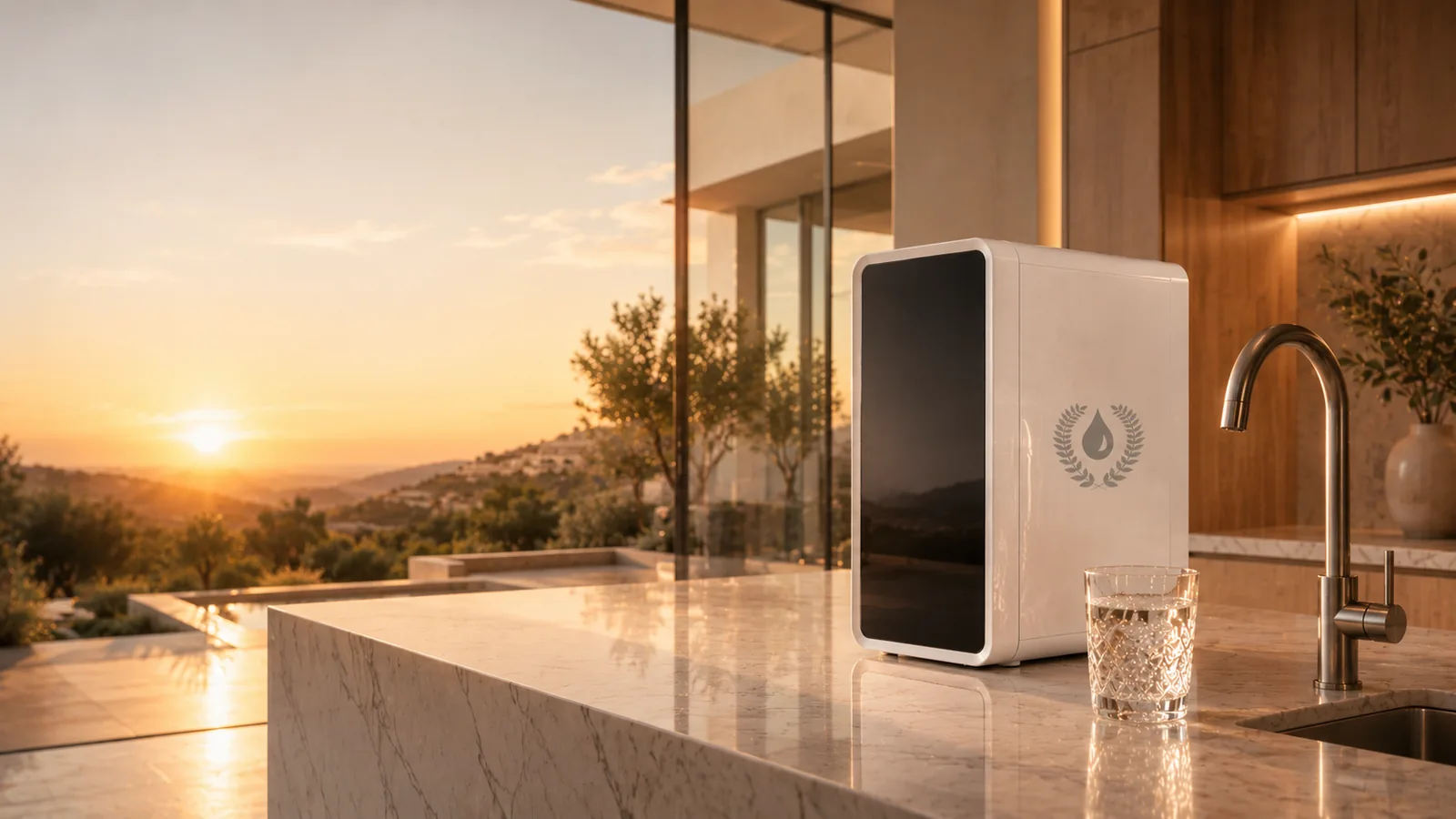
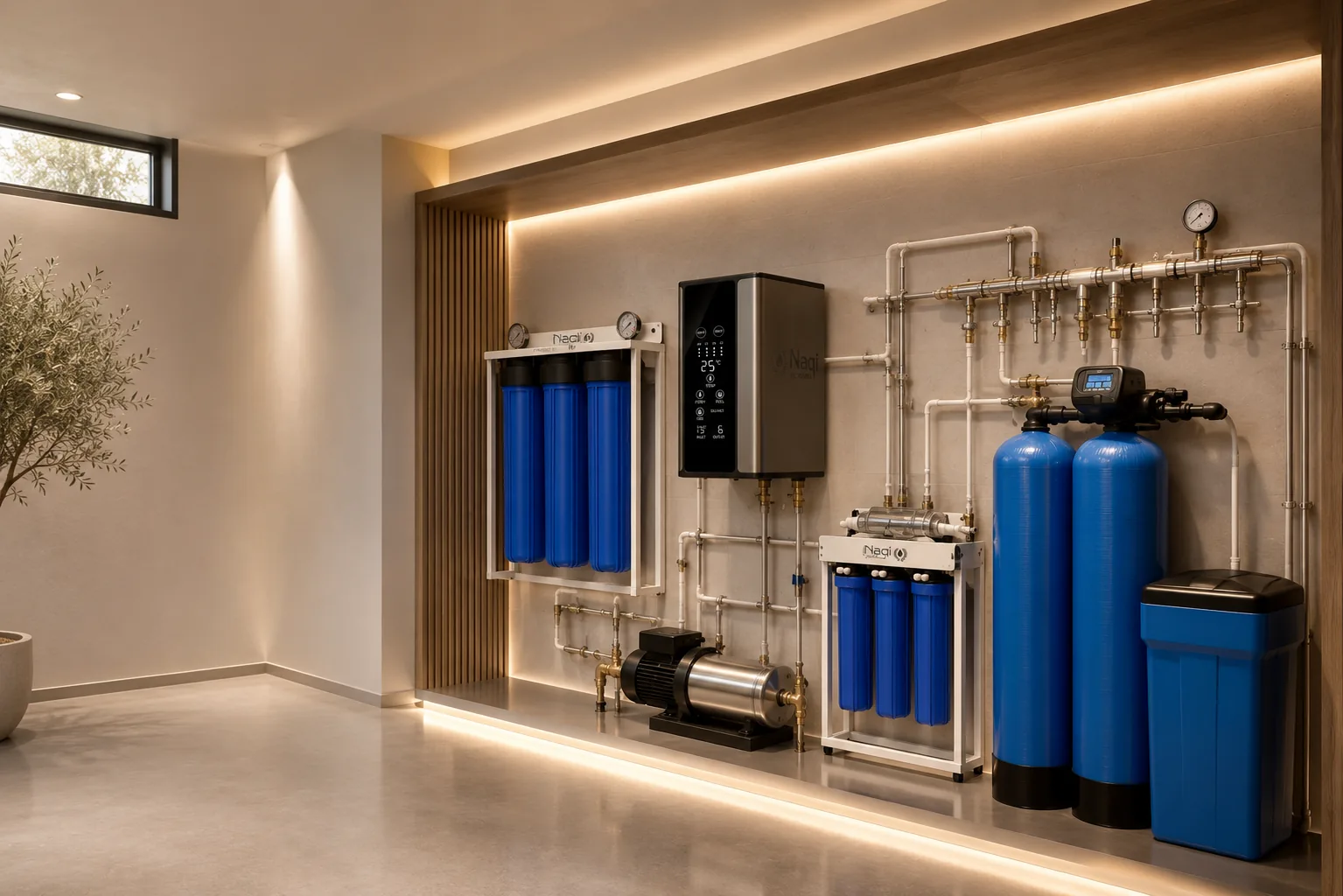
Central filtration — a «سنترال فلتر» — treats water at the point it enters the home, serving every tap and floor. A drinking-water filter treats a single point of use, usually the kitchen tap. In short: the first is for the whole home, the second is specifically for drinking water.
What does each one address?
Central filtration typically aims to improve the home's general water and protect pipes and appliances from sediment, and is often paired with water softening. A drinking-water filter (including reverse-osmosis / RO systems) focuses on producing treated drinking water at the kitchen.
When do you need central filtration?
If your issue spans the whole home — sediment on taps, limescale in heaters, or the effect of water on laundry and bathing — central filtration may be the right foundation.
When is a drinking-water filter enough?
If your main concern is only kitchen drinking-water quality, a dedicated drinking-water system may be enough without central filtration. The decision depends on your problem and the water-test result.
Combining both
Many homes combine central filtration for general protection with a dedicated drinking-water system at the kitchen, for a complete setup. We design the right combination after an assessment.
Can I install both together?
Yes — it's common to combine central filtration for the home with a kitchen drinking-water system, depending on the home's needs and the assessment.
Does a central filter make tap water drinkable?
Central filtration improves the home's general water, but drinking water is usually treated through a dedicated kitchen system. We explain what's best after assessing your water.